§ Issues
16
Dispatches filed and counting — for the line, not the lounge.
The season closed, the people who ran it are between contracts for six weeks, but some already have a start date in Tyrol.
A Balaton trader interviewed by G7 last month described his year: work the lake to the end of August, a short break in September, then Austria for the winter. In summer 2024, Hungarian citizens were 11.5% of everyone employed in Austrian accommodation and gastronomy, the largest foreign group in the sector. Romanians were another 3.7% and only 41.3% held an Austrian passport.
So the labour market in the first week of September may not be a whole lot easier than the summer, certainly not for long.
The people who ran the terraces at Balaton or Mamaia are back in Budapest and Bucharest, and a good share already know where they will be in a few months, when the winter season starts. You have six to ten weeks before ski resorts take your options away.
Giggle is a Budapest platform where employers post individual shifts and workers apply for them: 160,000-plus registered users, Romania since last year. We spoke to co-founder Ádám Sebestyén.
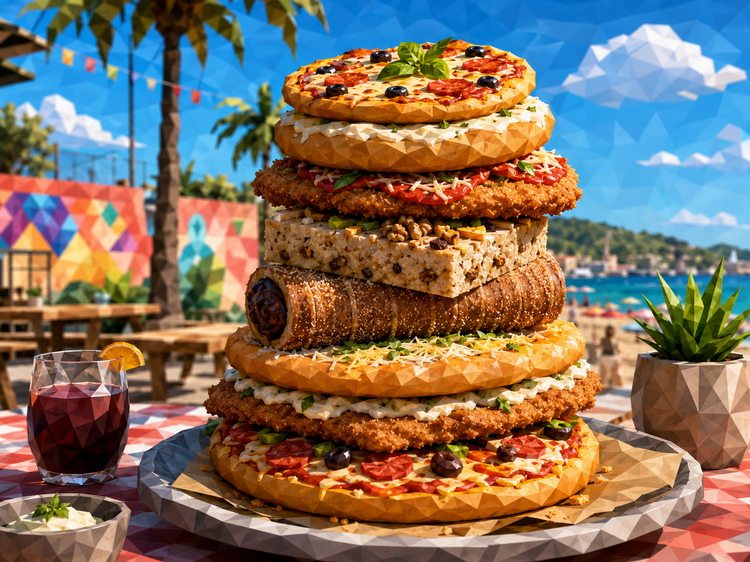
How Central Europe's most sacred dishes became its best marketing assets.
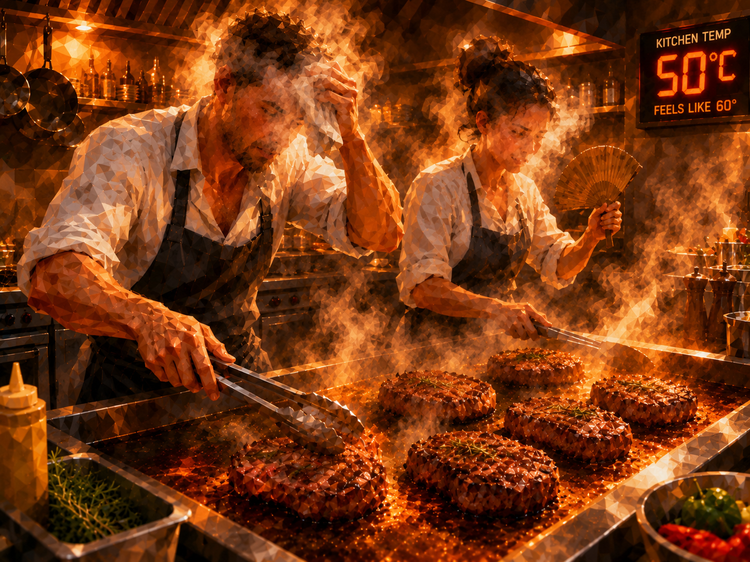
Record heat, flooded basements, carcinogenic sausages, an ice-cream shortage, and kitchen life at 45°C in five reels.
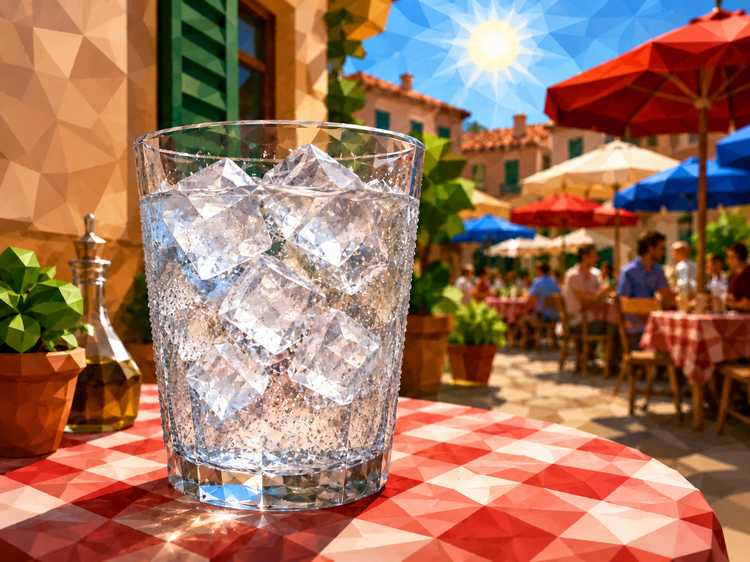
Charging for tap water, or refusing it outright, is a margin decision, a reputation decision and sometimes a legal decision. Across our three markets, these are starting to collide.
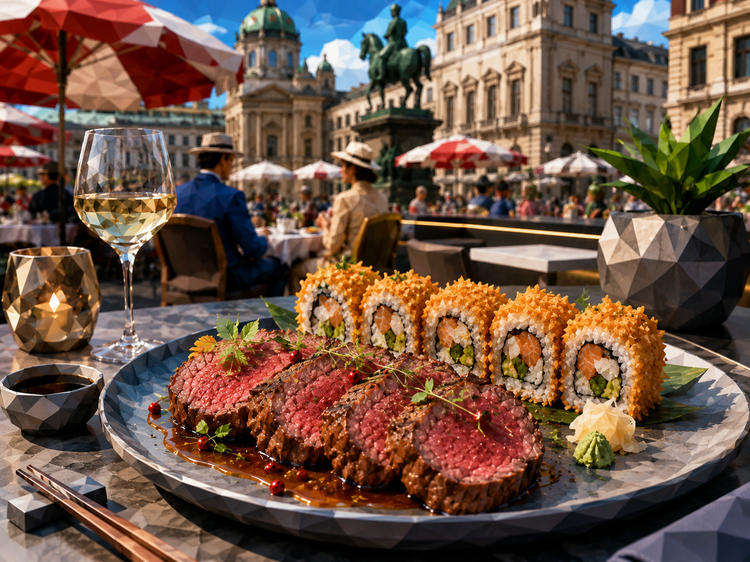
Third and final in a three-part series: operators in Romania, Hungary and Austria on how they set prices, defend margins, and read a guest who is spending less. We finish in Vienna.
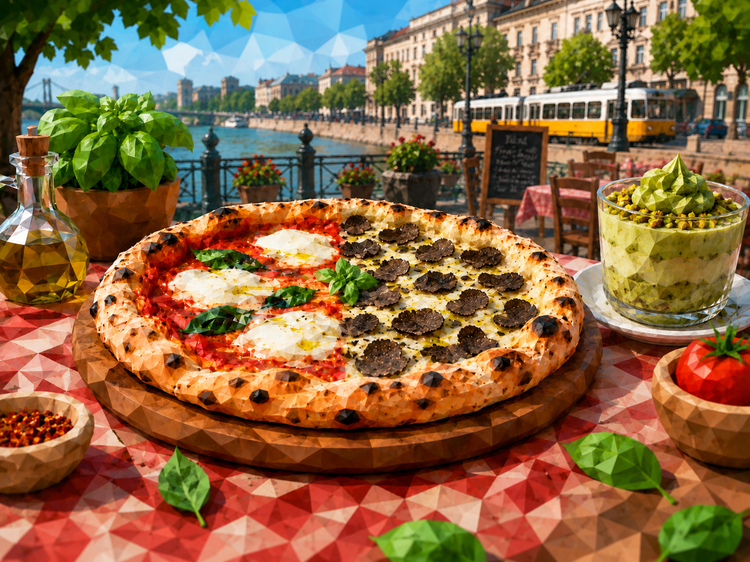
Second in a three-part series: operators in Romania, Hungary and Austria on how they set prices, defend margins, and read a guest who is spending less. This week: Budapest.
First in a three-part series: operators in Romania, Hungary and Austria on how they set prices, defend margins, and read a guest who is spending less. We start in Bucharest.
A Balaton trader interviewed by G7 last month described his year: work the lake to the end of August, a short break in September, then Austria for the winter. In summer 2024, Hungarian citizens were 11.5% of everyone employed in Austrian accommodation and gastronomy, the largest foreign group in the sector. Romanians were another 3.7% and only 41.3% held an Austrian passport.
So the labour market in the first week of September may not be a whole lot easier than the summer, certainly not for long.
The people who ran the terraces at Balaton or Mamaia are back in Budapest and Bucharest, and a good share already know where they will be in a few months, when the winter season starts. You have six to ten weeks before ski resorts take your options away.
Giggle is a Budapest platform where employers post individual shifts and workers apply for them: 160,000-plus registered users, Romania since last year. We spoke to co-founder Ádám Sebestyén.
Ioana Mihai had a fantasy about her product launch: the head of the Romanian Orthodox Church would publicly condemn it. Free national press, instant notoriety, the perfect stunt. It never happened, nobody protested, but her funeral cake still sold.
'Colivă' is the dessert that closes funeral and commemoration meals across southern and eastern Romania: boiled wheat berries with sugar, citrus zest, vanilla, rum and a great deal of ground walnut, decorated with an Orthodox cross. To be served, it has to be blessed by a priest. Ioana grew up with it and at eight announced she'd start a colivă business so she could finally eat her fill.
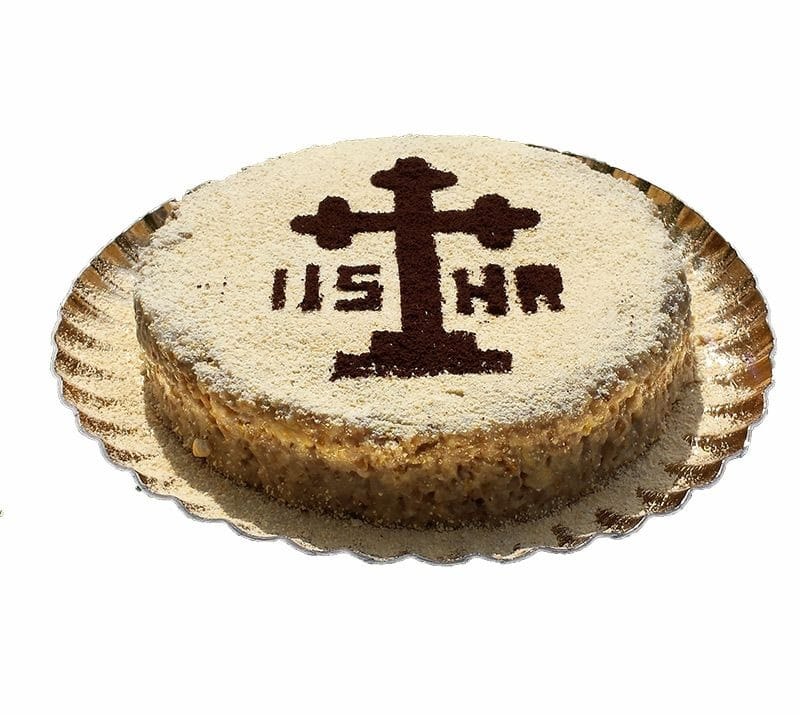
In 2022, aged 32 and working as a marketer, she did. She bet her generation would buy nostalgia and tourists would buy novelty, developed variants with fruit, chocolate, jam, nuts and - for Halloween - black tahini, and launched in 2024 as Mori, colive de viață ("Die! Colivas for living").
Sales have swung between a few hundred and 4,000 units a month but now Carrefour and Freshful have now picked it up for distribution, which completely changes the math.
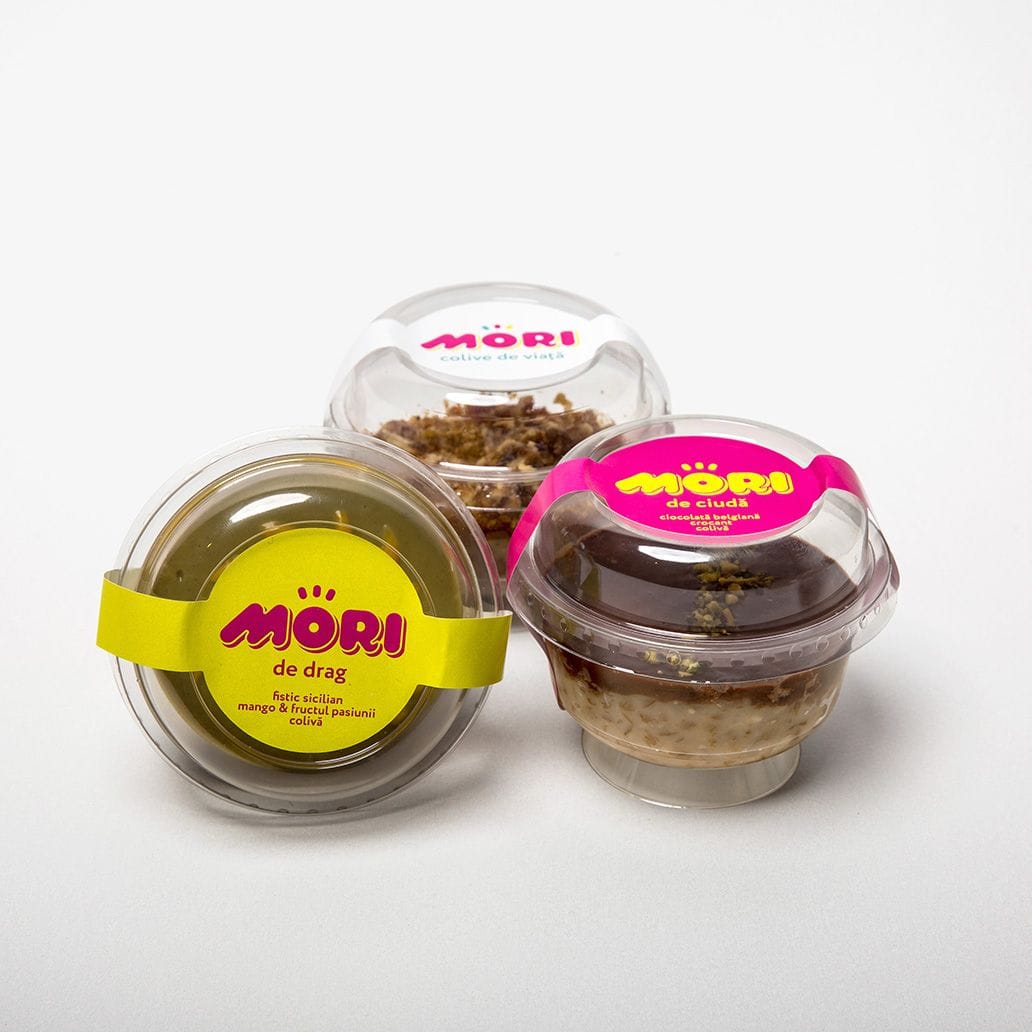
Her explanation of success: it's good colivă. Her grandmother's recipe, traditional enough for the nostalgic, daring enough on the toppings to pull in the curious.
She's not alone.
Once a dish becomes iconic enough in this region, it gets stuffed, wrapped, deep-fried, turned into a burger or a pizza.
Some become bestsellers, others perhaps, should never have happened.
Today, we'll show you both the absurdity and the real economics at play.
Hungary's two most bastardised foods, 'lángos' and 'kürtős kalács' (chimney cake), share a foundation: simple yeast dough. Once people love the base, anything can be built on top.
Welcome to Plancha Express, we have six quick summer stories about the weather, restaurants and hospitality during a heatwave:
Last week, Hungary recorded its hottest day ever: 42°C in the northeast, above 41°C in Budapest, a nationwide heat alert, and water restrictions in several regions. The heat became enough of a public concern that Prime Minister Péter Magyar called on shopping centers, retailers and restaurants to offer drinking water to anyone who needed it.
For operators, the real story starts behind the dining room.
A 38°C day outside translates into 45–50°C inside a kitchen.
At that point heat stops being an inconvenience and becomes an operational risk: staff wellbeing, food quality, service speed, and ultimately profitability.
Governments are starting to treat it that way. According to a Reuters overview, France, Spain, Germany and Italy have introduced or strengthened rules requiring employers to adapt working conditions during heatwaves: extra breaks, adjusted schedules, drinking water, cooling. Hungary has no hospitality-specific heat rules yet, but employers remain responsible for safe working conditions under general labour safety law, and authorities routinely recommend free water, more frequent breaks, reduced physical workload and adequate ventilation.
Operator take: Ask every member of your kitchen team one question: "what makes your station unbearable above 35°C?", the fixes usually cost less than you expect, and better extraction and cooling may return more than your next oven.
A downtown Budapest steakhouse, a hot afternoon in June, a table booked for a birthday. One guest arrives early, sits down, and asks for a glass of tap water. The waiter says, politely, that the house only serves bottled mineral water. The guest doesn't drink bottled water and declines. When the rest of the party arrives, they talk it over for a minute and, birthday or not, leave to eat somewhere else.
The margin on a bottle of mineral water is real, but so is the bill for a table of six that walks out before ordering. How many bottles do you have to sell to cover one reservation that turns around at the threshold?
The liquid itself is effectively free.
But the glass doesn't pour, carry and wash itself.
An illustrative breakdown from the Austrian Economic Chamber's Burgenland branch put the water inside a €1.80 bottle of mineral water at about €0.38, and the tap-water equivalent at €0.001, while staff (€0.52) and overheads (€0.52) were identical in both columns. The figure is old and not a benchmark, but the structure is correct: you aren't selling water, you're selling the labour, glassware, washing, ice and breakage around it. Refusing tap water doesn't protect a product margin, it’s the service you've decided not to give away.
When beef tenderloin got too expensive, Mochi didn't raise the price, it took the dish off the menu.
Sandra Jedliczka is one of the founder-owners of Mochi, arguably the best Japanese fusion restaurant in Vienna. Since opening in 2012, the portfolio has grown to include the Asian gourmet shops omk, Mochi Ramen Bar, Kikko Bā (Spanish-Japanese tapas), Cucina Itameshi (Italian-Japanese), a Mochi outpost in Bolzano, and Chicken Karate, a fast-food stand at Vorgartenmarkt. Across all of it, pricing runs on one rule: the menu price moves last. Some dishes never carry the increase and some leave the menu rather than carry it.
In this conversation:
Inflation forces restaurants to decide what kind of expensive they are willing to become.
For Nóri Vidó, the line is the Margherita.
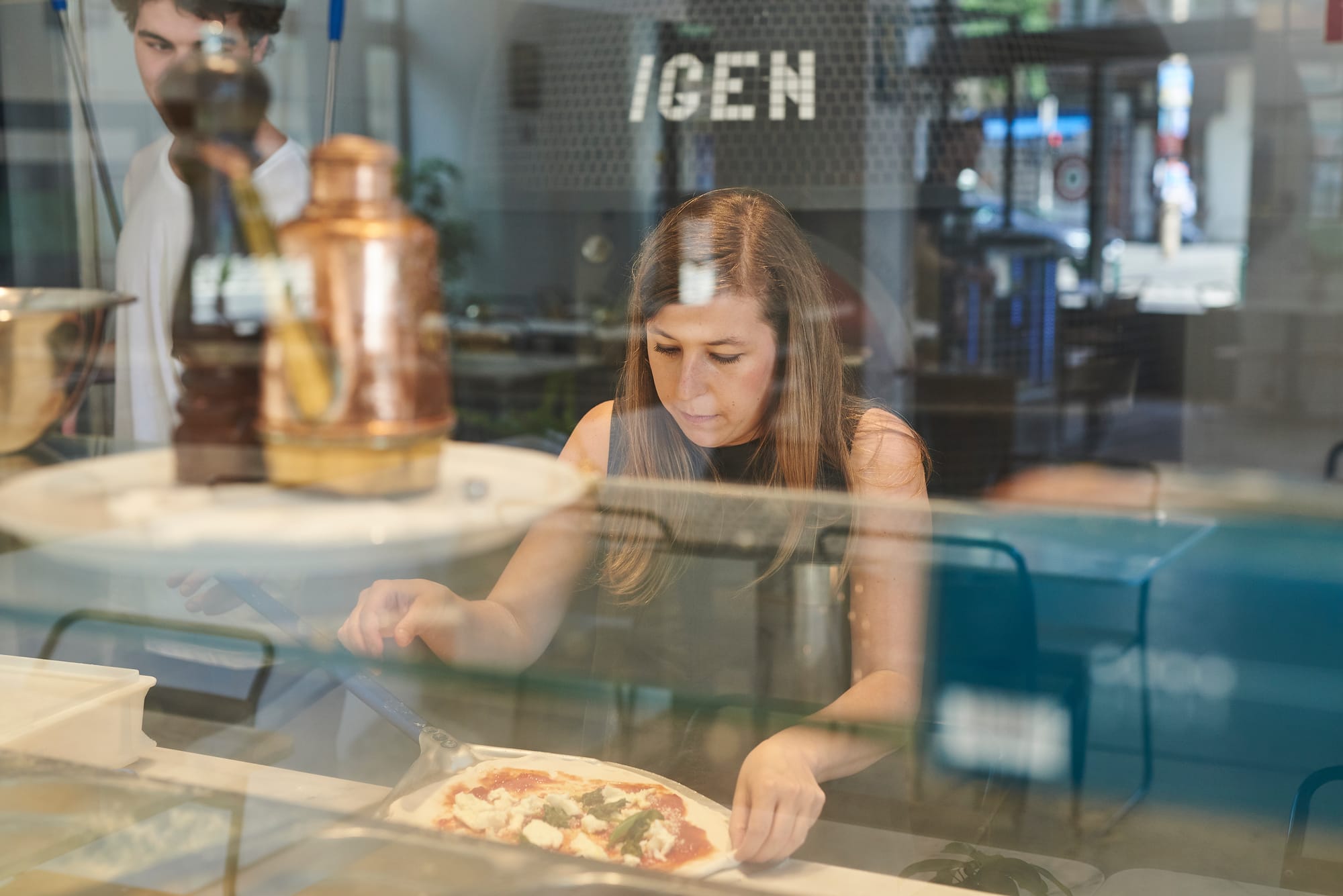
At Igen ("Yes"), her Neapolitan pizzeria in Budapest, the Margherita is 3,290 HUF (€9.2). Ham is 3,990 HUF (€11.2), quattro formaggi 4,190 HUF (€11.8), and Parma ham with arugula and parmesan 4,490 HUF (€12.6). The Margherita is not where she wants to recover lost margin: it is the dish that keeps the restaurant open to people who still want to come out, but are watching the bill.
She believes portion size and ingredient quality are untouchable, even under extreme inflationary pressure, and prefers sacrificing margins over turning her restaurants into “special occasion only” places.
Vidó runs Igen and Ide ("Here"), two pizza concepts built around different Italian traditions, and Oda ("There") at Czakó Garden, an all-day restaurant in Buda.
Her strategy is to keep prices low at the expense of profit margins.
“Labour costs, significantly. That’s now the biggest expense.”
Vidó says wages in her restaurants have risen by around 30% over the past two years. Staff feel inflation too, so wage expectations move with the rest of the economy. She describes her pay as mid-range, but says she constantly monitors market averages and tries to keep up.
The current geopolitical noise has not yet created a major new price shock for her restaurants, but that could change in three months. Since many of her ingredients move through Italy, transport costs and currency still matter. But this is not yet a case of one new event forcing an immediate menu rewrite.
One unusual tailwind , in her telling: the forint firmed against the euro after the Hungarian elections in April, which, for an importer, helped.
“We review prices every three months, but we raise them much less often.”
Pricing is not something she delegates completely. At Oda, the last price increase was in March 2025. Vidó benchmarks against competitors and tries to stay as affordable as possible.
A note before we start. First, we've seen a real jump in sign-ups, and we're now close to 400 people. Welcome all, we're so glad you're here. Plancha is meant to be useful to people who operate hospitality businesses, not a decorative object in your inbox, which means we need to hear from you: what lands, what doesn't, what you'd actually use. Be happy, be annoyed, disagree with us: hello@plancha.food
Second, if you're reading this in your inbox, this is a good moment to click "view in browser." The website looks considerably better than it did a few weeks ago.
Now, to the series.
Inflation is back in Europe: fuel feeding into raw material costs, taxes rising, and a guest who reads the same alarming news you do and decides to order the glass instead of the bottle. It hits operators twice: once on the buying side, where even napkins costs more, and again on the spending side, where the average check softens because the customer is being careful.
So over the next three editions we're asking three operators we rate, one in Romania, one in Hungary, one in Austria, the same set of questions. Not just "what got expensive", but the harder operational stuff: how do you decide when to raise a price, which dishes absorb the increase, what you tell staff to say at the table, and how you read a guest who is spending less without saying so.
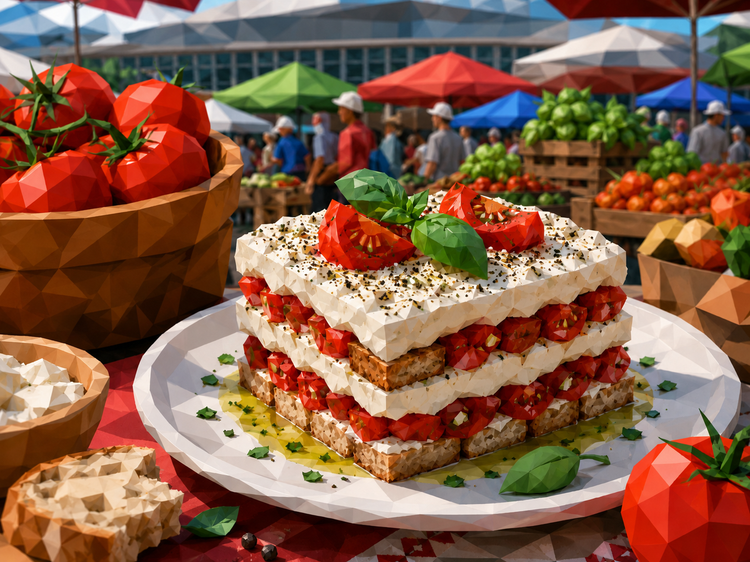
Gabriel Alexe co-owns two casual dining restaurants downtown: Bucătăria.localfood (Local Food Kitchen), opened in 2021, and Mosafir Bistro, opened in 2024. Both run short seasonal menus with cultural nods built in: the Tiramisù de Obor, a tomato-cheese-bread dish that references the Italian dessert, the Romanian obsession with tomatoes in season, and Obor, the city's largest farmers' market.
What has actually become more expensive in the past few months?
"Pretty much everything." Raw materials first, fuel prices pushed up the cost of vegetables, eggs, dairy, cheese, meat, and consumables down to napkins and dish detergent. Alexe estimates 15-20% over six to eight months, on top of increases already building before that.
Romanian wines, unfortunately, are losing a bit of ground here because, in terms of the price-to-quality ratio, they are being outcompeted by wines from Spain and Italy.
- Gabriel Alexe, Mosafir Bistro
Then there's the state: over the last 10-12 months, dividend tax, profit tax and social contributions have all gone up. "Last month alone, we paid 75,000 lei (€14,315) in taxes for one quarter." Rent is the one stable line: a five-year contract negotiated at the start, held steady by a good relationship with the landlord.
Is this a genuinely new price hike, or old cost pressure finally arriving?
Alexe thinks the real damage is psychological, and partly media-made. The international shocks: conflict, fuel disruption, hit hard through the coverage.
The combined effect of war in Iran, movements on the markets, all these negative things is a more cautious consumer.
The guest who went out two or three times a week now comes Saturday only. The bottle of wine becomes a glass, or water. The starter gets skipped or shared. The average spending per customer has dropped quite a lot.
How often do you review prices?
For people who run restaurants, hotels, and hospitality businesses in Central Europe.